
Emergency HVAC Repair NYC When You Need It

Updated: Oct 21
At 2 a.m., a dead air conditioner can turn a Manhattan bedroom into a dangerous heat trap. In January, a heating failure can put residents, pipes, inventory, and business operations at risk within hours. When you need emergency HVAC repair NYC service, the priority is not guessing at the cause. It is protecting people and property, then getting a qualified technician on site to diagnose the problem safely.
A fast response matters in New York City, where closely built properties, aging infrastructure, strict building requirements, and extreme seasonal temperatures leave little room for a system to be down. Whether you manage a commercial floor, own a brownstone, run a retail shop, or live in an apartment, knowing what qualifies as an HVAC emergency can help you act with confidence.
When Emergency HVAC Repair NYC Is the Right Call
Not every HVAC issue requires an overnight service visit. A weak airflow problem or a system that is running but not quite reaching the set temperature may be able to wait until regular service hours, depending on weather conditions and who is in the building. But some situations need immediate attention because waiting can create a safety issue, cause water damage, interrupt operations, or make a space unlivable.
Call for emergency service when your heating or cooling system has failed during severe weather, especially if children, older adults, pets, or medically vulnerable occupants are inside. A boiler, furnace, heat pump, central AC system, or commercial rooftop unit that stops completely can quickly become more than a comfort problem.
You should also treat the following as urgent:
You smell gas, burning insulation, electrical smoke, or a strong chemical odor.
A unit is leaking enough water to damage ceilings, walls, equipment, or tenant spaces.
Carbon monoxide alarms activate, or occupants experience unexplained dizziness, headaches, or nausea near heating equipment.
A commercial refrigeration-adjacent HVAC failure threatens inventory, customer safety, or a critical business operation.
Your HVAC system repeatedly trips breakers, makes loud grinding sounds, or produces sparks.
If you smell gas or suspect carbon monoxide, leave the area immediately, call 911 or your utility emergency line as appropriate, and do not turn switches, appliances, or HVAC equipment on or off. An HVAC technician can address equipment issues after the immediate emergency has been handled safely.
What to Do Before the Technician Arrives
A few calm, practical steps can reduce damage and help the diagnostic process move faster. Start by checking the thermostat. Confirm that it has power, is set to heating or cooling as needed, and is set several degrees beyond the current room temperature. This simple check can rule out a programming mistake, a dead battery, or a thermostat setting changed by another occupant.
Next, look at your electrical panel. If an HVAC breaker has tripped once, you may reset it one time. If it trips again, leave it off. Repeated breaker trips can point to a short, an overloaded component, a failing motor, or another electrical problem that should not be forced.
For a cooling emergency, check whether the condensate drain pan is overflowing or water is collecting around the indoor unit. If you can safely do so, turn the system off to limit further leakage and move belongings away from the area. For a heating issue, keep interior doors open where practical to share warmth, close curtains or blinds, and use safe temporary heat sources according to their instructions. Never use an oven, grill, or fuel-burning device to heat an indoor space.
Property managers and commercial operators can save time by preparing a few details before calling: the equipment type, location, symptoms, any alarm codes, when the issue began, and whether the system has had recent repairs. Access information also matters in NYC. Let the service team know about loading docks, elevator access, building security, roof access, or co-op requirements that could affect arrival and diagnosis.
Why NYC HVAC Emergencies Need Local Experience
New York HVAC systems rarely exist in simple conditions. A technician may need to work around a tightly installed condenser, a rooftop unit exposed to wind, a high-rise mechanical room, a through-the-wall unit, a ductless mini-split, or a building with limited access hours. The problem may be inside the equipment, but the solution also has to fit the property.
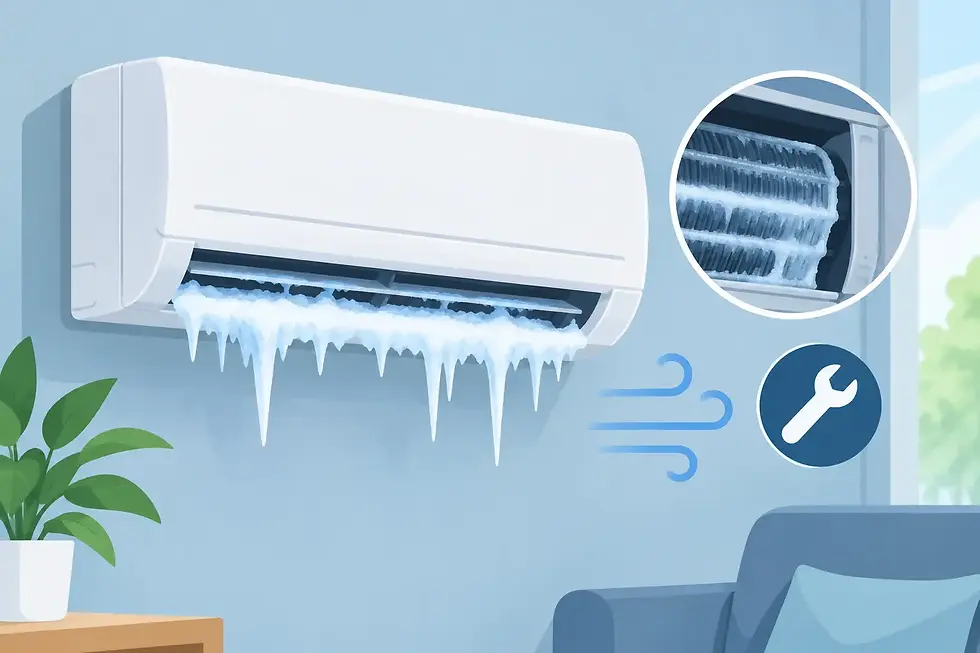
That is why a proper emergency visit begins with diagnostics, not assumptions. A failed AC unit may have a refrigerant leak, frozen evaporator coil, damaged capacitor, clogged drain, failed blower motor, control-board issue, or electrical fault. A no-heat call can stem from thermostat communication, ignition failure, a safety switch, fuel supply, a circulator issue, a heat-pump defrost problem, or a worn component.
The fastest repair is not always the best repair if it only masks the underlying cause. For example, adding refrigerant may restore cooling temporarily, but it will not solve a leak. Resetting a safety switch may get a system running, but repeated shutdowns need an explanation. A dependable technician should explain what failed, what is needed now, what can reasonably wait, and whether a repair makes financial sense compared with replacement.
Repair, Temporary Stabilization, or Replacement?
During an emergency, the immediate goal is to restore safe operation. Still, some systems reveal larger issues when they fail. Age, repair history, efficiency, parts availability, and the condition of related components all affect the right decision.
If a system is relatively new and the failed part is common, a targeted repair is often the sensible path. If an older unit has repeated failures, uses outdated refrigerant, or requires a costly major component, replacement may offer better long-term value. There is no one-size-fits-all answer. A clear recommendation should account for your building, comfort needs, budget, warranty coverage, and the disruption involved.
For commercial properties, a temporary repair may be necessary to keep tenants or customers comfortable while a larger repair or replacement is planned. That can be the right approach, but only when the temporary solution is safe and the next steps are documented. Building owners should ask what work was performed, what parts were used, whether there are remaining concerns, and what maintenance can help prevent another outage.
Preventing the Next Breakdown
Most HVAC emergencies do not arrive without warning. Rising utility bills, hot or cold rooms, strange noises, frequent cycling, water around equipment, and declining airflow are often early signs that a system needs attention. Scheduling service before the peak of summer or winter gives you more options than waiting for a complete failure.
Routine maintenance is especially valuable in NYC properties because dust, construction debris, heavy system use, clogged filters, and restricted airflow place extra strain on equipment. Seasonal service can include filter checks, coil cleaning, drain inspection, electrical testing, refrigerant evaluation, moving-part inspection, and performance testing. The exact scope depends on the system, but the purpose is the same: find small problems while they are still manageable.
For landlords and property managers, maintenance also supports better planning. You can budget for aging equipment, coordinate access with tenants, and avoid making major decisions during a weather emergency. For homeowners and apartment residents, it means fewer unpleasant surprises when the first heat wave or cold snap arrives.
Get Comfort Back Without Guesswork
An HVAC emergency is stressful because it interrupts the normal rhythm of home or business. You deserve a service team that treats the situation with urgency, communicates clearly, and respects your property from the first diagnostic test through the completed repair.
Cozy Air Conditioning provides 24/7 emergency support for NYC properties with the hands-on attention your comfort and safety deserve. If your system is down, protect the space, avoid unsafe workarounds, and get qualified help before a manageable repair becomes a larger problem. The right response can restore more than temperature control - it can restore peace of mind.


Comments