

HVAC Maintenance NYC Residents Can Count On
A cooling failure at 4 p.m. on a July weekday can turn a Manhattan apartment, retail floor, or office suite uncomfortable fast. In a city where equipment often runs hard, access is limited, and one missed service visit can affect an entire building, HVAC maintenance NYC customers schedule is not a minor task. It is practical protection for comfort, safety, energy costs, and daily operations.
Preventive service gives you the opportunity to find worn components, restricted airflow, drainage problems, and electrical concerns before they become an after-hours emergency. Whether you manage a multi-unit property or simply want dependable comfort at home, a well-maintained system is easier to operate, less likely to fail without warning, and better prepared for New York's demanding seasons.
Why HVAC Maintenance in NYC Requires Local Experience
New York City HVAC systems face conditions that are easy to underestimate. Rooftop condensers are exposed to heat, wind, debris, and winter weather. Through-wall and split systems may have limited clearance for service. Mechanical rooms can be compact, and commercial equipment may need to be inspected outside business hours to avoid disrupting tenants or customers.
Then there is the operating load. A system that cools a sun-facing apartment all afternoon or serves a busy restaurant kitchen works under much greater strain than equipment in a lightly used space. Dirty coils, clogged filters, loose electrical connections, or a small refrigerant issue can force the system to work longer and consume more energy while delivering less comfort.
Local maintenance also means working thoughtfully around building procedures. Co-op and condo requirements, freight elevator access, roof access, noise restrictions, and tenant schedules can all shape the service plan. An experienced technician does more than inspect equipment. They help make the visit efficient, orderly, and appropriate for the property.
What a Professional Maintenance Visit Should Cover
A proper maintenance appointment is more than changing a filter and confirming that the system turns on. The exact checklist depends on the equipment, its age, the building, and the season, but the goal is always the same: identify developing issues and restore the system to safe, efficient operation.
For air conditioning equipment, technicians should assess refrigerant performance, inspect coils, clear and test condensate drainage, examine blower components, check electrical connections, and verify thermostat operation. A blocked drain line can lead to water damage. A weak capacitor or worn contactor can leave a system unable to start when temperatures rise. These are small items when caught early and major disruptions when ignored.
Heating maintenance should include checking ignition or burner performance where applicable, inspecting safety controls, evaluating airflow, and confirming that the thermostat responds properly. For gas-fired equipment, combustion and venting concerns deserve special attention. Heating problems are not only uncomfortable during a cold snap. They can create safety concerns that require prompt professional attention.
Airflow Is Often the Hidden Issue
Many comfort complaints begin with airflow, not the thermostat. A dirty filter, obstructed return grille, failing blower motor, damaged ductwork, or poorly balanced distribution can make one room feel stuffy while another is too cold. In apartments and offices, furniture layouts, renovation changes, and closed vents can also alter how air moves through the space.
During maintenance, airflow should be evaluated in context. A technician may find that the equipment itself is operating correctly, but the system needs filter changes more often, a duct repair, a thermostat adjustment, or a conversation about zoning. The right answer depends on the property. Replacing equipment will not solve every comfort issue.
How Often Should You Schedule Service?
For most homes, twice-yearly HVAC maintenance is a sensible starting point: cooling service before the warm season and heating service before the cold season. This schedule gives technicians time to address issues before the equipment reaches peak demand.
Commercial and industrial properties may need more frequent visits. Restaurants, medical spaces, server rooms, high-occupancy offices, and facilities with extended operating hours often place greater demands on their systems. Equipment that supports sensitive inventory, tenant obligations, or round-the-clock operations may benefit from quarterly inspections or a customized maintenance agreement.
Filter changes should follow the equipment manufacturer's guidance and the conditions inside the building. A home with pets, construction dust, or allergy concerns may need more frequent changes than a lightly occupied unit. A crowded retail or office environment can load filters quickly as well. If airflow drops, rooms become dusty, or the system starts running longer than usual, do not wait for the next planned visit.
Warning Signs That Should Not Wait
Maintenance reduces surprises, but it does not eliminate the need for repairs. Calling for service early can often prevent further damage and a longer interruption. Pay attention if you notice any of these changes:
Uneven temperatures from room to room or weak airflow at the vents
New rattling, buzzing, grinding, or banging sounds
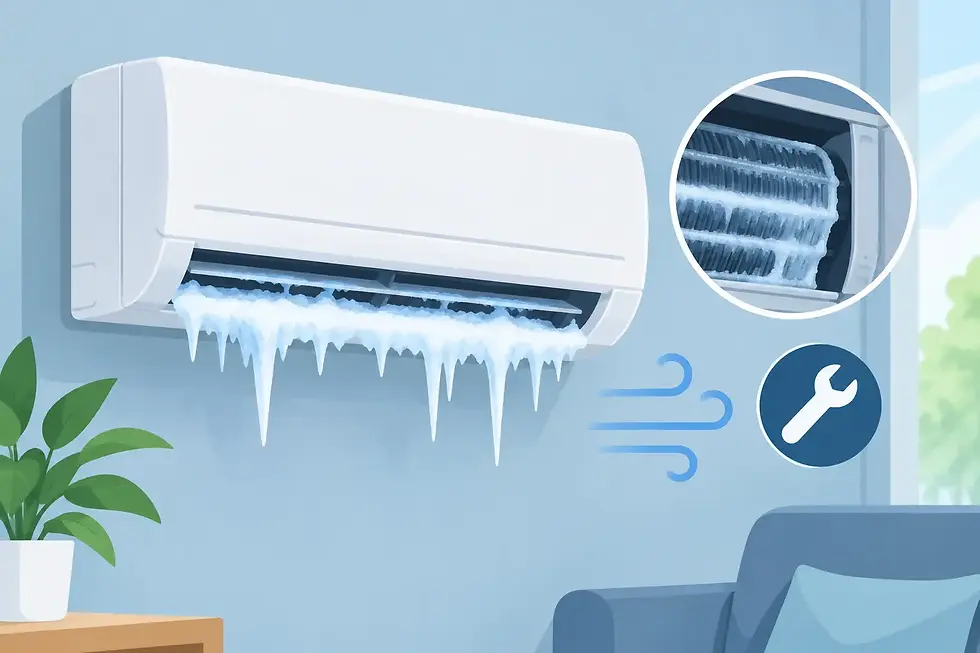
Water around indoor equipment, drain lines, or ceiling areas below the system
Higher utility bills without a clear change in weather or building use
Frequent cycling, thermostat problems, strange odors, or a system that will not start
A burning smell, repeated breaker trips, suspected gas odor, or signs of carbon monoxide require immediate action. Turn the system off if it is safe to do so, follow your building's emergency procedures, and contact a qualified professional. For urgent heating or cooling failures, reliable 24/7 support can make the difference between a contained repair and a costly interruption.
Maintenance Protects Indoor Air, Too
Comfort is not only about temperature. NYC residents spend substantial time indoors, particularly during extreme weather. Dirty filters, contaminated coils, moisture around drain pans, and poor ventilation can all affect the quality of the air circulating through a property.
Maintenance creates a useful checkpoint for indoor-air-quality concerns. If occupants report persistent dust, musty odors, humidity problems, or allergy irritation, a technician can assess whether the HVAC system may be contributing. The solution might be straightforward, such as improved filtration or drain cleaning. In other cases, the property may need ventilation adjustments, humidity control, duct cleaning, or dedicated air-quality equipment.
There are trade-offs. Higher-efficiency filters can capture more particles, but some systems may need adjustments to maintain proper airflow. Portable solutions can help individual rooms, while whole-property options may better serve larger homes and commercial spaces. Recommendations should be based on the equipment and the people using the building, not a one-size-fits-all package.
When Maintenance Can Help You Plan for Replacement
Regular service provides a clearer picture of where your equipment stands. An older system does not automatically need replacement, especially if it is safe, properly sized, and receiving dependable repairs. But repeated breakdowns, declining performance, hard-to-source parts, escalating repair costs, or inability to maintain comfortable temperatures can signal that it is time to consider a replacement plan.
A good maintenance technician can document the system's condition and explain the options in plain language. For a property manager, that information helps with budgeting and capital planning. For a homeowner, it prevents the pressure of making a major equipment decision during a heat wave or winter outage.
Replacement decisions should consider more than the price of the unit. Proper sizing, installation quality, electrical capacity, ventilation needs, warranty coverage, and access challenges all affect the result. A high-quality system installed without attention to those details may not deliver the comfort or efficiency you expect.
Make Maintenance Easier for Your Property
The simplest way to protect HVAC equipment is to treat maintenance as part of the building calendar, not an emergency response. Keep equipment areas accessible, note recurring comfort concerns, replace filters as recommended, and schedule seasonal service before demand peaks. Property managers can also keep service records for each unit or zone, making it easier to spot repeat issues and plan repairs responsibly.
Cozy Air Conditioning helps NYC homeowners, building managers, and businesses keep systems prepared with careful diagnostics, preventive service, and responsive repair support when conditions change. Comfort is easier to maintain when small concerns are addressed early, and a trusted technician already understands your property before the next hot day or cold night arrives.

Comments