

Smart Thermostat Review for NYC Homes and Buildings
A thermostat can look like a small upgrade until it starts making the wrong decisions for a Manhattan apartment, a busy office, or a multi-zone building. In a city where systems vary widely by age, fuel source, and building rules, a smart thermostat review has to go beyond app features and sleek screens. The right choice depends on whether it can work safely with your actual heating and cooling equipment.
Smart thermostats can improve daily comfort, reduce wasted runtime, and give property owners more visibility into their HVAC operation. But they are not automatically compatible with every boiler, heat pump, PTAC unit, ductless mini-split, or central air system. A careful review before installation can prevent short cycling, uneven temperatures, equipment damage, and frustrating no-heat or no-cooling calls.
Smart Thermostat Review: What Matters Most
The best smart thermostat is not always the one with the largest display or the longest feature list. For NYC properties, the strongest option is one that matches the system, the space, and the people using it.
Start with equipment compatibility. Many smart thermostats are designed for standard 24-volt central heating and cooling systems. They may work well with a forced-air furnace, central air conditioner, or compatible heat pump. However, older buildings may use millivolt controls, line-voltage electric heat, steam or hydronic boilers, packaged terminal air conditioners, or proprietary control boards. These systems often need a specialized thermostat, an interface, or a different control strategy altogether.
The wiring deserves equal attention. Smart thermostats commonly require a C-wire, also called a common wire, to maintain steady power. Some models can operate without one by using an adapter or drawing limited power from the system. That can be fine in the right setup, but it is not a universal fix. Improper power handling can cause the thermostat to reboot, the system to run unpredictably, or a boiler relay to chatter.
A professional should also confirm the number of heating and cooling stages. A basic apartment system may need simple one-stage control, while a larger home or commercial space may use multi-stage heating, variable-speed equipment, humidification, dehumidification, or ventilation controls. A thermostat that cannot properly manage those functions may leave comfort and efficiency on the table.
Comfort Features That Actually Help
Scheduling is still one of the most useful smart thermostat features. Instead of keeping an empty apartment or office at a full comfort setting all day, you can set temperatures around occupancy. The savings are usually most meaningful when a property has predictable patterns, such as workdays, weekends, overnight hours, or seasonal vacancies.
Remote access is another practical benefit. A homeowner can check whether the heat is running while away. A property manager can identify a space that is unusually warm or cold before a tenant complaint becomes an emergency. For second homes, vacant units, and businesses that close overnight, alerts can provide valuable early warning when indoor temperatures fall outside a chosen range.
Room sensors can improve comfort in spaces where the thermostat is not located near the people using the room. This is especially helpful in long apartments, townhomes, offices with perimeter windows, or areas affected by strong afternoon sun. Still, sensors cannot correct every comfort problem. If a room has poor airflow, leaky windows, undersized equipment, or failing dampers, a sensor may reveal the issue without solving it.
Learning features receive a lot of attention, but their value depends on the household or building schedule. A thermostat that learns patterns may be convenient for a stable routine. For a family with changing work hours, a retail space with variable traffic, or a building manager responsible for multiple tenants, clear scheduling and remote overrides can be more useful than automation that makes assumptions.
Energy Savings: Real, But Not Guaranteed
Smart thermostats can reduce energy use by avoiding unnecessary heating and cooling. The largest gains usually come from setting reasonable setbacks when spaces are empty and avoiding the habit of conditioning every room at the same setting all day.
The results depend on the building. An insulated home with properly sized equipment will respond differently than a prewar apartment with steam heat and drafty windows. A high-efficiency heat pump requires different temperature strategies than a gas furnace. With some systems, large temperature setbacks can force auxiliary heat to run or make recovery take longer, which may reduce the expected benefit.
Comfort should remain the first priority. In winter, avoid allowing a vacant property to get dangerously cold, especially where plumbing is at risk. In summer, do not raise the temperature so aggressively that humidity builds up or the system cannot recover before occupants return. A smart thermostat should support sensible operation, not turn a well-maintained HVAC system into a daily experiment.
For commercial properties, savings also depend on control access. If several employees can change settings from their phones, schedules may quickly lose their value. Choose a thermostat platform with the right permissions, lockout options, and administrative controls for the property. Managers often need visibility and consistency more than a long list of consumer features.
When a Smart Thermostat Is Not the Right Fix
A thermostat is a control device, not a repair for an HVAC problem. If your air conditioner runs constantly, some rooms never cool, the boiler bangs, or the heat fails to reach part of the space, replacing the thermostat first may not address the underlying cause.
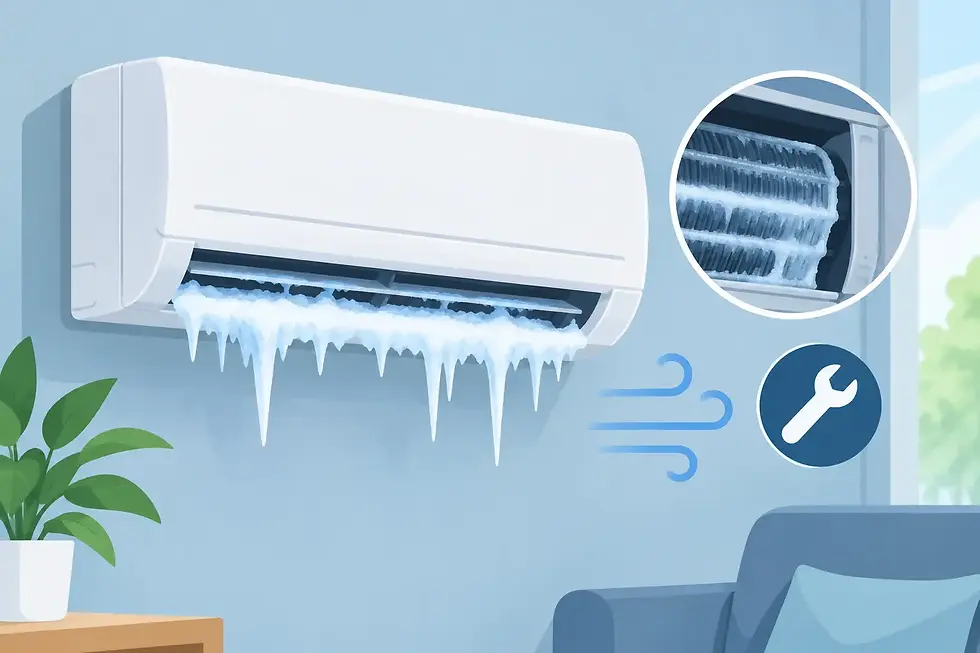
Before upgrading, consider whether the system needs service. A clogged filter, dirty coil, refrigerant issue, faulty zone valve, weak blower motor, failing capacitor, or blocked condensate line can affect comfort and energy use. So can poor duct design, insulation gaps, and air leaks. In many cases, a diagnostic visit delivers more value than a new thermostat because it identifies what the system is actually doing.
NYC apartments can present another challenge: building-controlled heat. If a landlord or building management operates the central boiler, an in-unit thermostat may have limited authority or may not be permitted. Co-op and condo rules can also affect wiring changes, electrical work, and the installation of equipment that connects to shared building systems. Confirm responsibility and approval requirements before purchasing anything.
PTAC and ductless systems need special attention as well. Some can use Wi-Fi controllers or compatible wall controls, while others require manufacturer-specific accessories. A universal smart thermostat should never be assumed to work with these systems. Compatibility must be verified by model number and control type.
Installation Is Where the Review Becomes Real
A smart thermostat installation may look simple, but the wiring behind the wall can tell a different story. Labels may be missing, wires may have been repurposed, and older systems may not follow standard color conventions. Turning off power is essential, but it does not replace proper identification and testing of the low-voltage circuit.
During a professional installation, the technician should inspect the existing controls, verify voltage, confirm staging, test heating and cooling operation, and set up the thermostat for the equipment type. The final step matters: configuring a heat pump as a conventional furnace system, for example, can create poor performance and unnecessary auxiliary heat use.
The thermostat should also be placed in a representative area. It should not sit directly above a radiator, near a supply vent, in direct sunlight, or on a wall exposed to major temperature swings. A well-chosen device cannot provide accurate control when it is reading an unrepresentative part of the room.
At Cozy Air Conditioning, we approach thermostat upgrades as part of the full comfort system. That means checking compatibility first, explaining the practical choices, and making sure the equipment responds correctly after installation. For a home, office, retail space, or managed property, the goal is dependable control without creating a new source of service calls.
How to Choose With Confidence
Choose a smart thermostat after answering a few practical questions: What system do you have? Who controls it? Is there a C-wire or another approved power solution? Do you need one zone or several? Are your priorities energy monitoring, room-by-room comfort, remote alerts, or simple scheduling?
Then consider the people who will use it. A homeowner may prefer an easy app and clear alerts. A landlord may need temperature limits and vacancy monitoring. An office manager may need scheduled operation and restricted access. The most appropriate thermostat is the one that makes comfort easier to manage for the people responsible for the space.
Before replacing a working thermostat, have the HVAC system and controls evaluated. A compatible, properly installed smart thermostat can be a valuable upgrade. When comfort problems are already present, a careful diagnosis gives you the clearest path to reliable heating and cooling - and fewer surprises when the weather turns.


Comments