
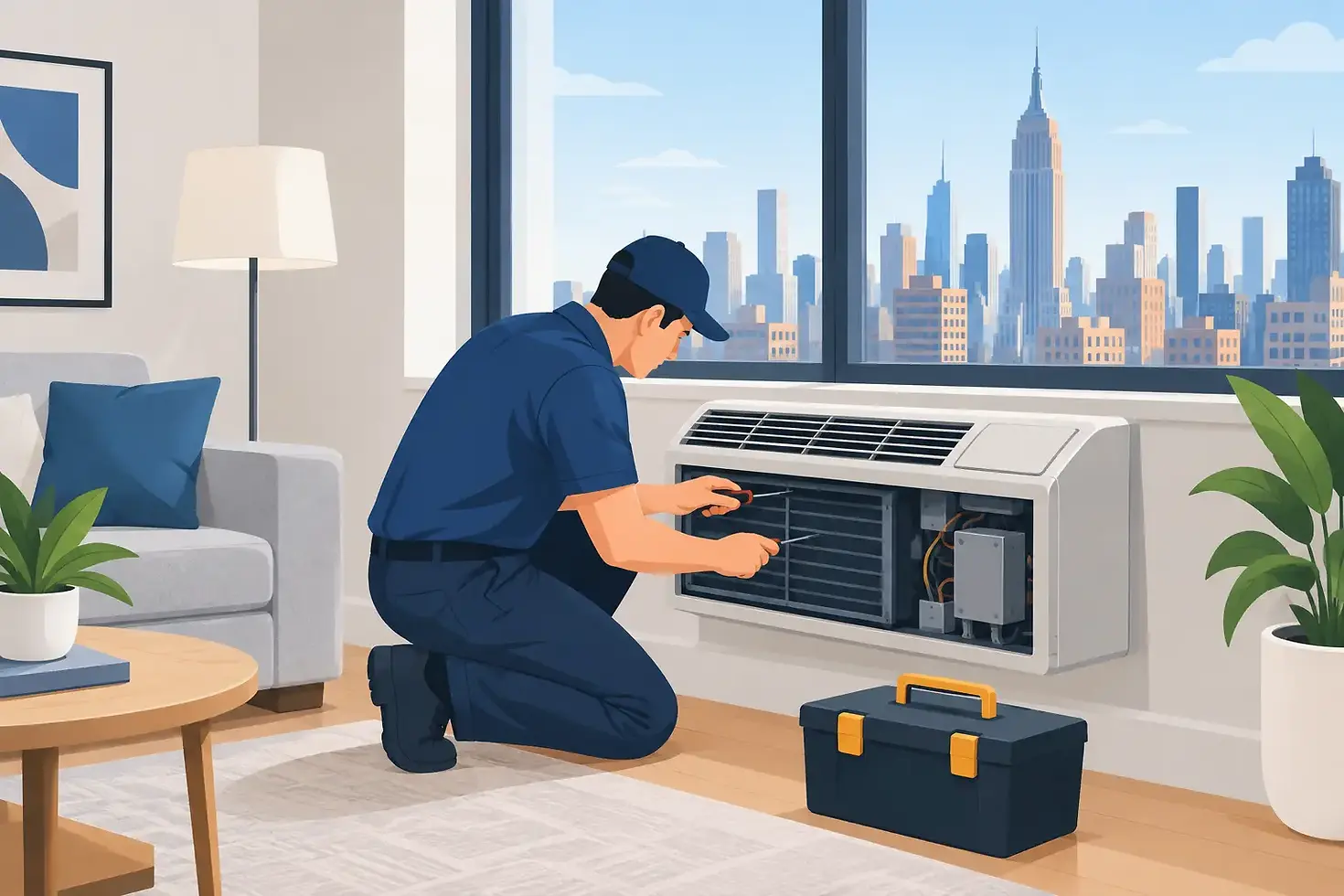
PTAC Repair for Manhattan Apartment Comfort
A PTAC unit rarely picks a convenient time to fail. It may stop cooling during a humid July night, blow cold air when the temperature drops, or begin leaking onto a hardwood floor just before guests arrive. When you need PTAC repair in a Manhattan apartment, the goal is not simply to get the unit running again. It is to restore safe, reliable comfort without creating a bigger problem for your home, neighbors, or building.
Packaged terminal air conditioners, commonly called PTACs, are the through-the-wall units found in many Manhattan co-ops, condos, rentals, hotels, and older multifamily buildings. They provide heating and cooling from one compact system, but their location, drainage path, electrical connection, and sleeve installation all matter. A quick fix that ignores the cause can lead to repeat breakdowns, water damage, higher electric bills, or an uncomfortable apartment when you need the system most.
When PTAC Repair for a Manhattan Apartment Is Urgent
Some PTAC issues can wait for a scheduled service visit. Others need attention right away. If the unit is producing a burning smell, tripping a breaker, making loud grinding noises, or leaking a meaningful amount of water, turn it off and arrange professional service. Continuing to operate a failing unit can damage internal parts and may create an electrical or moisture concern.
A loss of heat also deserves fast action during cold weather. While a PTAC is not always the only heat source in an apartment, a failed unit can make one room unusable and put added strain on the rest of the home. For apartments with infants, seniors, pets, or residents with health conditions, restoring stable indoor temperatures is especially important.
Water around the unit should never be ignored. A small amount of condensation may be normal in cooling season, depending on the equipment design, but water collecting indoors is not. The cause could be a clogged drain, a dirty coil, an improperly seated chassis, a damaged sleeve, or an installation issue that directs water the wrong way. In a Manhattan building, that moisture can affect walls, flooring, and the apartment below.
Common PTAC Problems and What They Usually Mean
A PTAC that runs but does not cool may have a dirty air filter, blocked outdoor airflow, a failing fan motor, a thermostat issue, or a refrigerant-related problem. Replacing or cleaning a filter can help in some cases. Refrigerant work, electrical diagnosis, and internal component repairs should be handled by a qualified HVAC technician.
If the unit blows air but never seems to reach the temperature you set, the issue may be airflow rather than capacity. Furniture, drapes, or stored items can restrict the front grille. Dirt on the evaporator coil can also limit heat transfer. Manhattan apartments often have tight room layouts, so even an otherwise healthy PTAC can struggle if its airflow is blocked.
Noisy operation is another common complaint. Rattling may come from a loose front cover or chassis panel, while squealing or grinding can point to a worn blower motor or fan assembly. Clicking that continues without the unit starting may indicate a control-board, relay, or electrical issue. The sound matters because it helps narrow down whether the problem is cosmetic, mechanical, or electrical.
A PTAC that cycles on and off every few minutes may be overheating, reading room temperature incorrectly, or dealing with restricted airflow. It can also be oversized for a smaller room. That last possibility is a trade-off many apartment owners do not expect: more capacity is not always better. An oversized unit can cool a room quickly but cycle too often, which reduces humidity control and adds wear to components.
Safe Checks Before You Request PTAC Service
There are a few simple checks that can save time and help you describe the problem clearly. First, confirm that the unit is set to the correct mode. A PTAC can appear broken when it is set to fan-only operation, heat instead of cool, or a temperature setting that does not call for the unit to run.
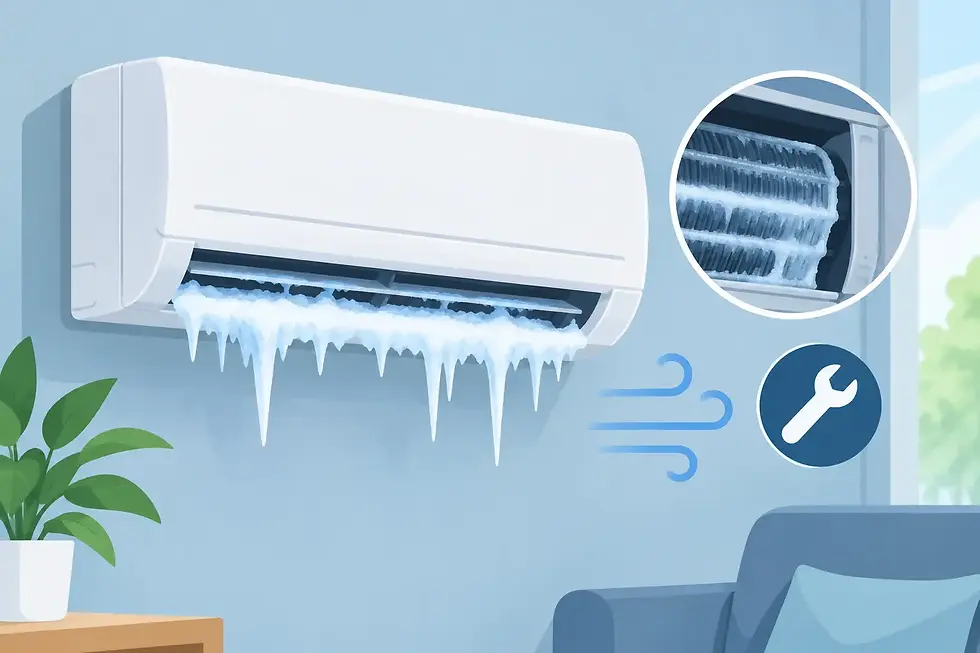
Next, inspect the filter if your model allows easy access. A clogged filter restricts airflow, makes the system work harder, and can contribute to icing or poor performance. If the filter is reusable, follow the manufacturer’s cleaning guidance and allow it to dry fully before reinstalling it. If it is disposable, use the correct replacement size and type.
Also check the visible front grille and the area around the unit. Remove boxes, curtains, or furniture that block airflow. If your PTAC has a reset button or has lost power after an outage, you can check the dedicated outlet and circuit breaker. Do not repeatedly reset a breaker that trips again, and do not use extension cords or power strips with a PTAC.
Leave these tasks to a trained technician:
Opening electrical compartments or bypassing safety controls
Adding refrigerant or trying to locate a refrigerant leak
Removing the heavy chassis from the wall sleeve
Repairing damaged wiring, motors, boards, or capacitors
PTAC units can be deceptively heavy, and the chassis must sit correctly in the sleeve for safe drainage and operation. In a high-rise apartment, removing it without the right equipment and experience can also create unnecessary risk.
Why Manhattan PTAC Repairs Need Building-Aware Service
PTAC service in Manhattan is different from servicing a window unit in a single-family home. Access rules, elevator reservations, insurance requirements, work-hour restrictions, and co-op or condo approvals can all affect how a repair is scheduled. A knowledgeable HVAC contractor understands that restoring comfort also means respecting the building’s procedures and minimizing disruption.
The unit itself may have building-specific requirements. Some properties use standardized PTAC sleeves, exterior grilles, condensate arrangements, or equipment models that are approved by management. A replacement chassis must match the existing sleeve dimensions and electrical specifications. Choosing a unit based only on price can lead to an expensive mismatch, poor weather sealing, or a replacement that the building will not approve.
Older Manhattan buildings add another layer of complexity. The wall sleeve may be corroded, the exterior grille may be restricted, or the electrical circuit may not support a newer high-capacity model. A proper assessment looks beyond the immediate symptom. If a unit fails repeatedly, the best answer may be a targeted repair, a deep cleaning, a sleeve correction, or replacement planning rather than another temporary patch.
What a Thorough PTAC Diagnosis Should Include
Reliable repairs begin with diagnosis, not guesswork. A technician should listen to the symptoms you have noticed, inspect airflow and drainage, test the controls, and evaluate the electrical and mechanical components that make the unit operate. The goal is to identify the failed part and understand why it failed.
For example, replacing a burned-out fan motor may restore cooling, but a technician should also check whether a blocked coil, dirty filter, or failing capacitor caused the motor to overwork. Similarly, a leaking unit may need a drain correction, but the surrounding sleeve and condensate path should be inspected to help prevent a repeat leak.
You should receive a clear recommendation before major work begins. In many cases, repair is the right choice, especially when the unit is relatively new and the issue is isolated. Replacement becomes more sensible when the PTAC has frequent failures, poor efficiency, major corrosion, an obsolete control system, or a repair cost that approaches the value of a new compatible unit.
Preventing the Next PTAC Breakdown
Preventive maintenance is one of the most practical ways to protect apartment comfort. Before cooling season and before heating season, have the unit inspected and cleaned as needed. Regular service can address dust buildup, drainage concerns, loose connections, aging components, and declining performance before they become an emergency.
Between visits, keep filters clean, preserve clear airflow around the unit, and pay attention to changes in sound, odor, or performance. Small changes are often the earliest warning. Calling for service when a PTAC begins to struggle is usually easier and less disruptive than waiting until it stops completely during extreme weather.
For residents, landlords, and property managers, dependable PTAC care protects more than a single room. It helps safeguard finishes from moisture, supports efficient energy use, and keeps tenants or family members comfortable through Manhattan’s changing seasons. Cozy Air Conditioning is here when your unit needs careful diagnostics, responsive repair, or practical guidance on the best path forward. If something feels off, schedule service early and give your apartment the attention it deserves.


Comments