

Heat Pumps for Year-Round NYC Home Comfort
A Manhattan apartment that feels stuffy in August and chilly near the windows in January does not necessarily need separate answers for cooling and heating. Heat pumps move heat rather than create it through combustion, giving many NYC homes and businesses one system that can provide air conditioning in summer and dependable heat in winter.
That simple idea has real appeal in a city where space is limited, energy costs matter, and comfort problems rarely wait for a convenient time. But a heat pump is not a one-size-fits-all upgrade. The right equipment, capacity, installation plan, and maintenance schedule depend on your building, electrical service, insulation, existing HVAC equipment, and daily use.
How Heat Pumps Work in NYC Properties
In cooling mode, a heat pump works much like an air conditioner. It removes heat from indoor air and transfers it outdoors. In heating mode, the refrigeration cycle reverses. The system collects available heat from outdoor air and brings it inside, even when the weather feels cold.
Modern cold-climate models are designed to operate at low outdoor temperatures, making them a practical consideration for New York City properties. They do not produce heat by burning fuel in the home, which can reduce reliance on a furnace, boiler, or electric resistance heaters. They also offer a major convenience for spaces that need both heating and cooling but cannot easily accommodate separate systems.
For apartment owners, that can mean replacing window units and supplemental heaters with a quieter, more permanent solution. For property managers and commercial operators, it can mean better zone control, fewer hot-and-cold complaints, and a clearer path for equipment replacement planning.
Choosing the Right Type of Heat Pump
The best system starts with the layout of the space and the way it is currently heated and cooled. A professional evaluation should look beyond square footage. Ceiling height, solar exposure, window condition, occupancy, insulation, kitchen equipment, and the building's ventilation needs all affect system performance.
Ductless Mini-Split Systems
Ductless heat pumps use an outdoor condenser connected to one or more indoor air handlers. They are often a strong fit for apartments, brownstones, additions, offices, retail spaces, and rooms that never seem to match the rest of the building.
Because each indoor unit can serve a separate zone, occupants can adjust comfort room by room. That is especially useful in NYC properties with uneven sunlight, different schedules, or spaces that are only occupied part of the day. Ductless systems also avoid the need to install large new duct runs, which may reduce construction disruption in finished spaces.
The trade-off is visibility. Indoor wall-mounted units are functional and efficient, but some homeowners prefer concealed options. Placement also matters. An air handler installed in the wrong location may leave parts of the room under-conditioned or create unwanted drafts.
Ducted Heat Pump Systems
A ducted heat pump can use existing ductwork when that ductwork is properly sized, sealed, and in good condition. It can also be installed with new compact ductwork or concealed air handlers for a cleaner appearance.
This option can deliver more even whole-home comfort and keep equipment largely out of sight. However, old ducts can limit performance. Leaks, poor return-air design, inadequate insulation, and undersized pathways can waste energy and make a new system feel disappointing. Before recommending a ducted installation, an experienced HVAC contractor should inspect the duct system instead of assuming it is ready for new equipment.
Hybrid and Supplemental Heating Setups
Not every property needs to replace its existing heating system immediately. In some homes, a heat pump handles most heating and cooling needs while a boiler, furnace, or other source remains available for backup during the coldest weather.
This approach can make sense in older buildings, homes with steam or hydronic heat, and properties where a complete conversion would require major electrical or construction work. The goal is not to force a single solution. It is to build a system that delivers reliable comfort without creating unnecessary disruption or expense.
What Determines Whether a Heat Pump Will Perform Well
A heat pump can be highly efficient, but efficiency on paper is not the same as comfort in a real apartment or building. Proper sizing is one of the biggest factors. An oversized system may cycle on and off too frequently, struggling to control humidity and wearing components faster. An undersized system may run constantly and still fail to keep up during extreme weather.
A detailed load calculation helps identify the capacity each space actually needs. This is more reliable than choosing equipment based only on the size of the unit being replaced or a simple square-foot estimate.
Building conditions matter just as much. Drafty windows, uninsulated exterior walls, air leaks, and poor ventilation can make any HVAC system work harder. In a prewar apartment or older mixed-use building, improving air sealing or addressing duct leaks may be part of the comfort plan. The equipment should be designed around the property as it exists, with honest guidance about improvements that will help it perform better.
Electrical capacity is another NYC-specific consideration. Some heat pump installations require panel upgrades, new circuits, or coordination with building management. Condenser placement may involve roof access, balconies, rear yards, building rules, clearance requirements, noise concerns, and condensate drainage planning. These details should be resolved before installation day, not discovered after equipment has arrived.
Are Heat Pumps Less Expensive to Run?
The answer depends on what system they are replacing and how the property uses energy. Heat pumps can be very efficient because they transfer heat instead of generating it directly. That can lower operating costs compared with electric resistance heat and may offer savings versus other heating methods under the right conditions.
Still, New York utility rates, winter temperatures, equipment efficiency, thermostat settings, insulation, and occupancy patterns all affect the final bill. A high-efficiency model installed in a poorly sealed home may not produce the savings a homeowner expects. Likewise, a system that is used for just one bedroom will have a different cost profile than a whole-home installation.
The practical question is not whether heat pumps are always cheaper. It is whether the projected comfort, maintenance needs, energy use, and installation cost make sense for your property. A clear consultation should discuss those trade-offs before you commit.
Installation Should Protect Your Home and Your Schedule
A quality installation is more than mounting an indoor unit and turning it on. Refrigerant lines must be routed and sealed correctly. Electrical connections must be safe. Drain lines must be installed with the proper slope and protection. Outdoor equipment needs stable support, adequate airflow, and service access.
For co-ops, condos, offices, and occupied commercial spaces, installation also needs to respect the building's rules and the people inside it. Coordinating access, protecting finished surfaces, controlling dust, and minimizing interruption are part of professional service. If the work requires permits, management approval, or coordination with other trades, those items should be planned carefully.
After installation, the system should be tested in both heating and cooling modes. Technicians should confirm airflow, temperature performance, controls, drainage, and refrigerant operation. Homeowners and building staff should also understand how to use the thermostat, clean filters, and recognize signs that service is needed.
Maintenance Keeps Comfort From Becoming an Emergency
Heat pumps work throughout the year, so routine service is not optional if you want consistent performance. Dirty filters restrict airflow, reduce efficiency, and can contribute to coil problems. Blocked condensate drains can lead to water damage. Outdoor units can collect debris, and indoor components need periodic inspection to catch small issues before they become a no-heat or no-cooling call.
For most systems, filters should be checked regularly, especially in homes with pets, frequent cooking, renovations, or allergy concerns. Professional maintenance should include cleaning, electrical inspection, drain checks, airflow evaluation, and performance testing. Commercial properties may need a more structured maintenance schedule based on operating hours and equipment load.
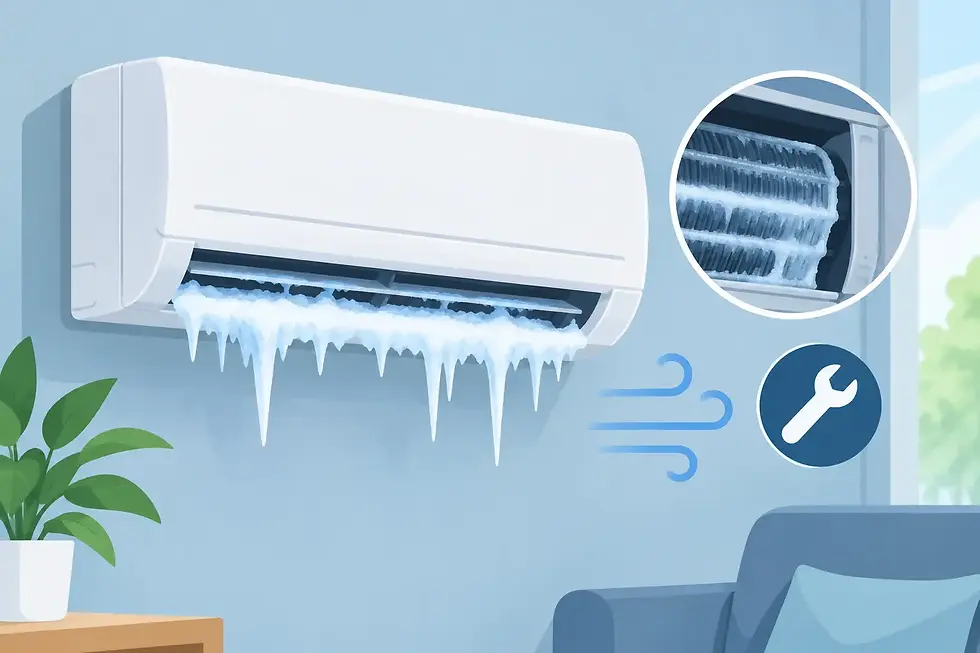
Call for service if you notice weak airflow, unusual noise, water around an indoor unit, ice buildup, a musty smell, short cycling, or temperatures that no longer match the thermostat setting. Waiting can turn a manageable repair into a larger interruption.
A Comfortable Next Step for Your Property
Heat pumps can be an excellent fit for NYC homes and businesses, but the best results come from careful planning rather than a quick equipment swap. Cozy Air Conditioning can assess your space, explain the practical options, and help build a heating and cooling plan around your comfort, building requirements, and budget. A properly designed system should make your home or workplace feel easier to live in every day - not give you another building problem to manage.


Comments