

How Often Should HVAC Be Serviced in NYC?
A missed HVAC service visit can feel minor in April, then become a no-cooling call during the first humid New York City heat wave or a no-heat emergency on a January morning. So, how often should HVAC be serviced? For most homes and businesses, the dependable answer is twice a year: once before the cooling season and once before the heating season.
That schedule gives a trained technician the chance to find worn parts, drainage problems, dirty components, airflow restrictions, and safety concerns before your system is working at full capacity. In a city where equipment often serves tightly built apartments, busy offices, retail spaces, and multi-unit buildings, preventive service is one of the simplest ways to protect comfort and avoid disruptive breakdowns.
How Often Should HVAC Be Serviced? Start With Twice a Year
A central air conditioner, heat pump, furnace, boiler, or packaged HVAC system should generally receive professional maintenance every six months. Schedule cooling maintenance in early spring, ideally before you need air conditioning every day. Schedule heating maintenance in early fall, before cold weather settles in.
If your home has separate heating and cooling equipment, each system should be inspected before its primary season. If you use a heat pump for both heating and cooling, two visits are still a smart choice because the system works year-round and changes operating modes with the weather.
At a minimum, every HVAC system should have one thorough professional inspection per year. But annual service is the floor, not always the best plan. Twice-yearly maintenance is more protective for most NYC properties because both comfort seasons place real demands on equipment.
When Your System May Need More Frequent Service
The right maintenance interval depends on how hard your equipment works, its age, and the conditions around it. A newer system in a lightly used apartment may stay on a standard twice-yearly schedule. An older unit or a commercial system that operates long hours may need quarterly inspections.
Consider more frequent service if any of these conditions apply:
Your HVAC system is more than 10 years old or has a history of repairs.
The property has pets, smokers, frequent cooking, construction dust, or poor outdoor air quality entering the system.
A business relies on steady temperatures for customers, staff, equipment, inventory, or tenant comfort.
The system runs nearly continuously, including server rooms, medical offices, restaurants, and high-occupancy spaces.
You manage a multi-unit building with shared equipment, rooftop units, boilers, or complex ventilation needs.
For commercial and industrial properties, quarterly maintenance can be the more practical choice. A failed unit does not only affect comfort. It can interrupt business, create tenant complaints, threaten sensitive inventory, or make a workspace difficult to occupy. Regular inspections let property managers plan repairs instead of responding under pressure.
Why NYC HVAC Systems Benefit From Preventive Care
New York City creates a demanding environment for heating and cooling equipment. Summer humidity makes air conditioners work harder to remove moisture, while winter cold puts heating systems under long, sustained load. Rooftop equipment faces wind, rain, heat, debris, and temperature swings. Indoor systems can deal with dust from renovations, limited mechanical-room ventilation, and high occupancy in compact spaces.
Many apartments and commercial properties also have equipment that is difficult to access. A small issue in a closet air handler, ceiling cassette, rooftop unit, or building mechanical room can go unnoticed until it causes water damage, weak airflow, or a complete shutdown.
Routine maintenance is not a guarantee that a part will never fail. Mechanical equipment can break unexpectedly. It does, however, reduce preventable failures and gives you clearer information about what may be nearing the end of its useful life. That means fewer surprises when you need reliable cooling or heat most.
What Happens During a Professional HVAC Service Visit
A real maintenance visit is more than swapping a filter and turning the unit on. The technician should inspect the system’s operation, condition, and safety controls while looking for problems that can affect performance or cause damage.
For air conditioning, service commonly includes checking refrigerant performance, electrical connections, capacitors, contactors, blower operation, thermostat accuracy, condensate drainage, coils, filters, and overall airflow. Dirty evaporator or condenser coils can force the system to work harder, while a clogged drain can lead to leaks and water damage.
For heating equipment, the work depends on whether you have a furnace, boiler, heat pump, or another system. A technician may inspect burners, ignition components, heat exchangers, gas connections, venting, safety switches, circulating components, electrical controls, and combustion-related performance where applicable. These checks are about more than warmth. They help protect safe operation.
The visit should also include a clear explanation of findings. If a part is worn but not urgent, you should know what it does, what could happen if it fails, and whether repair now or monitoring it is the better choice. Honest recommendations make maintenance useful rather than stressful.
Filter Changes Need a Different Schedule
Professional HVAC service twice a year does not replace regular filter care. Most 1-inch filters should be checked monthly and replaced about every one to three months. A thicker, high-capacity filter may last longer, but the correct timing depends on the filter type, the system, and how quickly it collects dust.
Pets, allergies, construction work, heavy city dust, and frequent system use usually mean more frequent filter changes. A dirty filter restricts airflow, which can increase energy use, reduce heating and cooling output, and put unnecessary strain on the blower and other components.
If you are unsure which filter your system can handle, ask during your next service visit. Using the highest-rated filter available is not always the right move if it restricts airflow beyond what the equipment is designed to manage.
Do Not Wait for These Signs Before Calling
Maintenance is best scheduled before there is a problem, but certain warning signs deserve prompt attention. Call for service if you notice weak airflow, rooms that will not reach the set temperature, unusual banging or grinding sounds, burning or musty odors, repeated thermostat adjustments, water around the equipment, short cycling, or utility bills that suddenly rise without a clear reason.
For heating systems, a yellow or flickering burner flame, soot, frequent shutdowns, or a carbon monoxide alarm should be treated seriously. Leave the area if you suspect a gas leak or carbon monoxide issue, follow emergency guidance, and contact the appropriate emergency services or utility provider as needed.
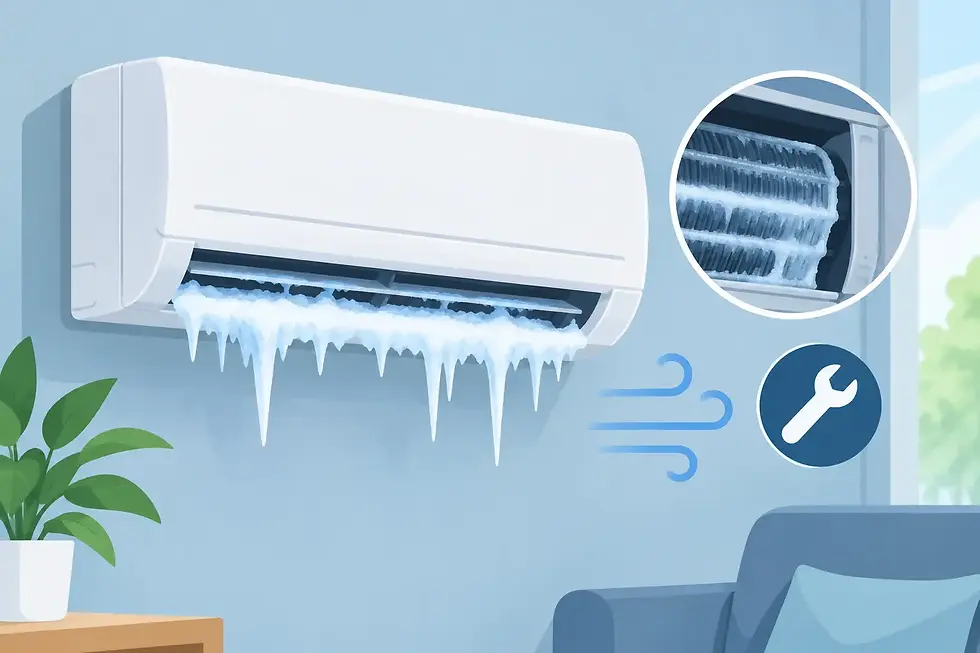
For air conditioning, ice on refrigerant lines, warm air from vents, recurring drain backups, or a system that trips breakers should not be ignored. Continuing to run equipment with these symptoms can turn a manageable repair into a larger one.
A Practical Maintenance Calendar for NYC Properties
For most residential customers, book cooling maintenance between March and May and heating maintenance between September and November. Scheduling before peak weather gives you more flexibility and lets a technician correct issues before the system has to carry the full load.
Property managers and business owners should plan service around their operating calendar. Retailers may want cooling inspections completed before summer foot traffic increases. Offices may need work scheduled outside business hours. Buildings with rooftop units, central systems, or multiple tenants benefit from a written maintenance plan that tracks inspections, filter replacements, repairs, and equipment age.
Cozy Air Conditioning helps NYC homeowners and property operators make that plan practical, with diagnostics and maintenance recommendations based on the equipment, building demands, and comfort concerns at hand.
Your HVAC system does not need attention only when it stops working. Give it a checkup before the season asks the most of it, keep filters clean between visits, and address small changes in performance early. That is how you keep comfort close, disruption low, and your home or business ready for the next stretch of New York weather.


Comments