
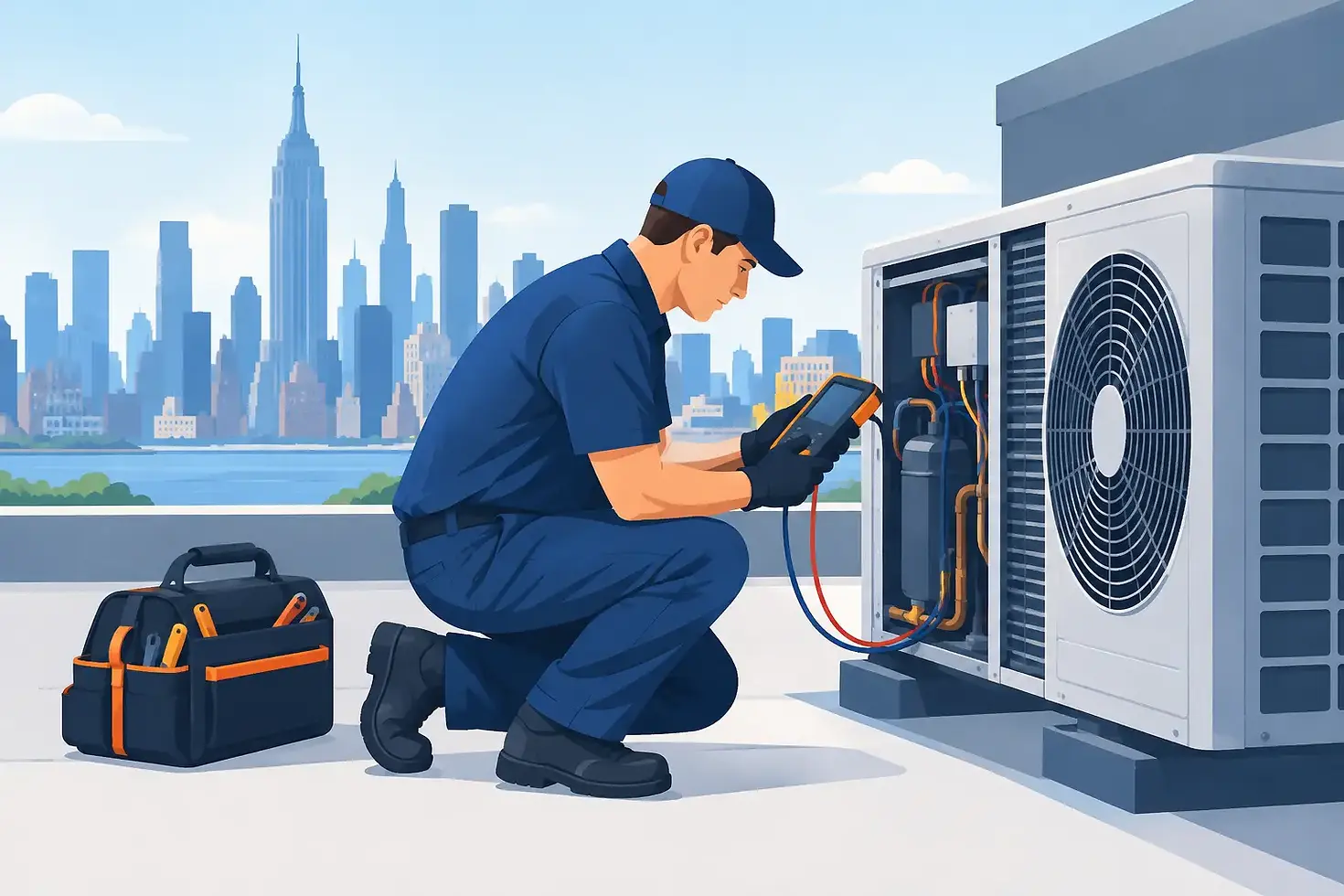
HVAC Diagnostic Service NYC That Finds the Fault
A cooling system that runs but never reaches the set temperature. A boiler that bangs at 2 a.m. An office unit that trips a breaker just when the workday starts. These are not problems to guess at. A professional HVAC diagnostic service NYC property owners can rely on identifies the actual cause before anyone recommends a repair, replacement, or temporary workaround.
In New York City, HVAC problems can move quickly from inconvenient to disruptive. A failed air conditioner can make an apartment unbearable during a heat wave. A heating issue can affect tenants, inventory, operations, and safety. The right diagnosis protects your comfort, your equipment, and your budget by replacing assumptions with clear information.
What an HVAC Diagnostic Service in NYC Should Do
A diagnostic visit is more than a technician checking whether the system turns on. HVAC equipment is made up of connected electrical, mechanical, refrigerant, airflow, and control components. A symptom in one area can be caused by a fault somewhere else.
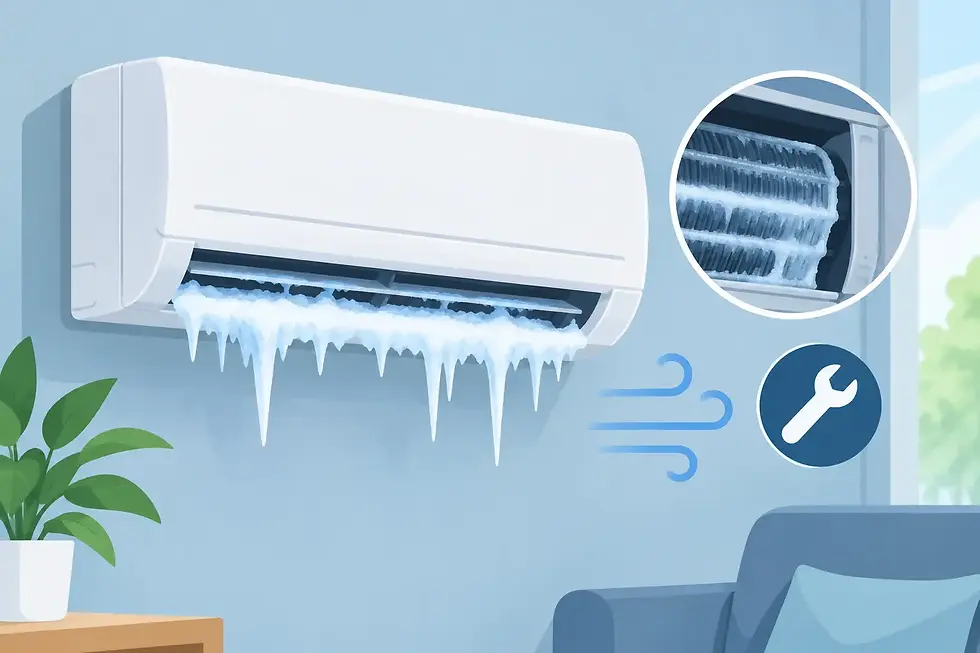
For example, weak airflow may come from a dirty filter, blocked ductwork, a failing blower motor, a damaged belt, an improperly sized return, or a frozen evaporator coil. A room that will not cool could have a thermostat issue, a refrigerant leak, a clogged condensate line, a compressor problem, or a building-related airflow restriction. Replacing a visible part without testing the system can leave the original issue untouched.
A thorough technician evaluates how the equipment is operating, not simply whether it has power. That typically includes checking thermostat commands, electrical connections and readings, motors, capacitors, safety controls, drainage, filters, coils, refrigerant performance, and supply and return airflow. The exact process depends on the type of equipment and the reported problem.
The goal is straightforward: find the failure, explain it in plain language, and give you realistic options for correcting it.
Why NYC HVAC Problems Need a Local Approach
New York buildings place special demands on heating and cooling systems. Apartments can have limited mechanical access, aging piping, window units, ductless systems, PTACs, central air, boilers, rooftop equipment, or a combination of several systems. Commercial spaces may also have long operating hours, equipment rooms with poor ventilation, tenant build-outs, or rooftop access requirements.
A unit may appear to be the problem when the real issue is tied to the building environment. Condensate drains can back up in humid weather. Dust and city debris can restrict coils. Older electrical systems can complicate equipment performance. In multifamily buildings, a resident may control the thermostat but not the building-wide heat source.
That is why experience matters. A technician should understand the equipment in front of them, but also ask the right questions about your property: When did the problem start? Is it affecting one room or every room? Has the system been repaired recently? Are there leaks, odors, unusual sounds, or electrical issues? Has the building made changes that could affect ventilation or access?
Those details help narrow the problem quickly and avoid repair recommendations that do not fit the property.
Signs You Should Schedule HVAC Diagnostics
Do not wait for a complete shutdown if your system is sending warning signs. Many equipment failures get more expensive when the system is forced to operate under strain.
Schedule service when you notice persistent temperature swings, weak or uneven airflow, short cycling, rising utility bills, water around indoor equipment, burning or musty odors, loud banging or grinding, or a thermostat that does not seem to control the system accurately. These signs do not always mean the system needs to be replaced. In many cases, prompt service can correct a worn component, drainage issue, airflow restriction, or control problem before it creates broader damage.
For commercial properties, act early if comfort complaints begin to increase in one zone or if equipment is running longer than normal. A single failing component can affect customer comfort, employee productivity, sensitive equipment, and operating costs. For landlords and property managers, early diagnostics also provide useful documentation and a clearer path for communicating with residents.
When It Is an Emergency
Some HVAC concerns should be handled immediately. Turn off the system when it is safe to do so and request emergency service if you smell burning, see smoke, notice repeated breaker trips, hear severe metal-on-metal sounds, find significant water leakage, or lose heat during dangerously cold conditions.
If you suspect a gas leak or carbon monoxide issue, leave the area and contact the appropriate emergency authorities or utility provider first. Do not attempt to investigate it yourself. HVAC safety controls are there for a reason, and bypassing them can create a much more serious problem.
What Happens During a Professional Diagnosis
A useful service visit starts with listening. The technician should ask what you have experienced and whether the issue is constant or intermittent. Intermittent problems are especially important to describe because they may occur only during certain weather conditions, operating cycles, or times of day.
Next comes visual inspection and system testing. The technician may examine the air handler, condenser, boiler, furnace, PTAC, ductless heads, controls, drains, filters, and accessible ductwork or piping. They will test the components most closely connected to your symptoms, then verify the system's performance after identifying the issue.
Modern diagnostic tools help pinpoint faults that cannot be seen from the outside. Electrical meters can reveal weak capacitors or voltage concerns. Temperature readings can expose airflow or refrigerant performance issues. Control testing can show whether a thermostat, sensor, relay, or board is communicating correctly. This testing is what separates a reliable diagnosis from a quick guess.
Once the cause is identified, you should receive a clear explanation of the recommended repair. If there are multiple options, the trade-offs should be honest. A minor repair may be the best choice for newer equipment in good condition. For an older system with repeated failures, poor efficiency, or unavailable parts, replacement may offer better long-term value. It depends on the equipment age, repair history, condition, operating demands, and your plans for the property.
Repair, Maintenance, or Replacement?
Not every diagnostic call ends the same way. A clogged drain line, dirty coil, failed capacitor, damaged contactor, worn belt, or thermostat issue may be repaired quickly. Other situations point to maintenance needs, such as filter changes, coil cleaning, drain treatment, or airflow adjustments.
Replacement becomes a more serious conversation when the system has major compressor or heat exchanger concerns, frequent repair needs, extensive corrosion, poor comfort performance, or high operating costs. It can also make sense when equipment no longer meets the needs of a renovated space or a growing business.
A dependable contractor will not push replacement when a sound repair is available. At the same time, no one benefits from repeatedly spending money on an unreliable system that is nearing the end of its useful life. The right recommendation considers immediate comfort and future costs together.
How to Prepare for Your Service Visit
You do not need HVAC knowledge to help the diagnostic process. If possible, make note of when the issue occurs, which rooms are affected, and whether you have noticed sounds, odors, leaks, error codes, or changes in your energy use. Keep pets and stored items away from indoor equipment, and make access available to thermostats, utility closets, rooftop areas, or mechanical rooms as needed.
For property managers and commercial operators, having prior service records available can be helpful. So can letting the technician know about access rules, loading dock schedules, tenant hours, and any building requirements. A little preparation can reduce delays and keep disruptions to a minimum.
Cozy Air Conditioning approaches diagnostic work with the urgency NYC customers need and the care they deserve. Whether the issue is a routine comfort concern or an after-hours breakdown, the focus is on finding the cause, protecting the property, and helping restore normal conditions as quickly as possible.
If your heating or cooling system is acting differently, trust what it is telling you. A timely diagnostic visit can turn a stressful interruption into a clear, manageable next step.


Comments