

How to Maintain Central Air in NYC Homes
A central air system can seem perfectly fine until the first humid New York week puts it under real pressure. Then a clogged filter, blocked drain, or overlooked electrical issue can turn into weak airflow, water leaks, high utility bills, or no cooling at all. Knowing how to maintain central air helps protect your comfort before a small concern becomes an urgent repair.
For NYC homeowners, apartment residents, property managers, and business owners, maintenance is also about minimizing disruption. Cooling equipment often works hard in tight mechanical spaces, rooftops, older buildings, and properties where dust, traffic pollution, and limited airflow add to the strain. A consistent routine keeps the system cleaner, safer, and more dependable when you need it most.
How to Maintain Central Air Between Professional Visits
You do not need to take apart your air conditioner to care for it well. In fact, opening sealed components or handling refrigerant without proper training can create safety risks and may damage the equipment. The most useful homeowner and building-owner tasks are simple, regular, and focused on airflow.
Change or clean the air filter on schedule
Your filter is one of the most important parts of your central air system. It captures dust, lint, pet dander, and other particles before they collect on internal components. When the filter becomes clogged, the blower has to work harder to move air through the system. That can reduce comfort, raise energy use, and contribute to frozen evaporator coils.
Check the filter monthly during cooling season. Many homes need a replacement every one to three months, but the right interval depends on the filter type, how often the system runs, whether there are pets, and the amount of dust in the space. Buildings near busy streets or construction areas may need more frequent checks.
Use the filter size and rating recommended for your equipment. A very high-efficiency filter can improve particle capture, but it may restrict airflow in a system not designed for it. If you are unsure which filter is appropriate, a technician can recommend an option that supports both indoor air quality and proper system performance.
Keep supply and return vents clear
Walk through the space and make sure furniture, rugs, curtains, boxes, or merchandise are not blocking vents. Supply vents deliver cooled air into rooms, while return vents pull indoor air back to the system. Both need clear space to do their job.
Closing too many vents is another common mistake. It may seem like a practical way to direct cooling, but central systems are balanced for a certain amount of airflow. Shutting off multiple rooms can increase pressure in the ductwork and make comfort less consistent elsewhere. If one room is always too warm or too cold, the answer may be an airflow adjustment, duct issue, thermostat location problem, or zoning solution rather than closed vents.
Keep the thermostat working for you
Set the thermostat to a comfortable, realistic temperature rather than forcing the system to chase extreme settings. Lowering the thermostat to 60 degrees will not cool the space faster. It only tells the system to run longer, which can waste energy and put extra wear on components.
For many occupied spaces, a setting around 74 to 78 degrees is a practical starting point, adjusted for humidity, sun exposure, occupancy, and personal preference. A programmable or smart thermostat can reduce unnecessary operation when a home is empty or an office is closed. Before changing schedules in a commercial property, consider tenant requirements, server rooms, inventory needs, and after-hours occupancy.
Watch the condensate drain
Central air conditioning removes moisture from indoor air. That moisture drains through a condensate line, usually near the indoor air handler or furnace. In humid NYC summers, the drain works constantly. If it clogs with algae, dust, or debris, water can back up and cause ceiling damage, shut down the system, or create conditions for mold growth.
Look for standing water around the indoor unit, a musty smell, water stains, or a drain pan that is overflowing. Do not ignore these signs. Some accessible drain lines can be flushed as part of routine care, but recurring drainage problems should be inspected by an HVAC professional. The cause may be a poorly pitched line, damaged pan, failed condensate pump, or buildup deeper in the drain.
Care for the Outdoor Condenser Unit
The outdoor condenser releases the heat removed from your space. If it cannot release that heat effectively, your system loses efficiency and may overheat. Whether the unit is in a yard, on a roof, or in another designated exterior area, it needs breathing room.
Clear leaves, litter, grass clippings, and loose debris from around the unit. Keep shrubs and plants trimmed back so air can move freely through the condenser coil. Avoid stacking items against it or enclosing it with decorative barriers that limit ventilation. Rooftop units deserve the same attention, especially after storms or periods of heavy wind.
You can gently rinse visible surface debris from the exterior coil with a garden hose if the unit is safely accessible and power is off. Do not use a pressure washer. High pressure can bend delicate coil fins and restrict airflow. Bent fins, damaged wiring, corroded components, and deeply impacted coils are best handled by a technician with the right tools.
Schedule Professional Central Air Maintenance Before Summer
The best time for an air-conditioning tune-up is in spring, before the system begins running daily. For a commercial property, a pre-season inspection is especially valuable because a failure can affect employees, tenants, customers, equipment, and operations. Properties with older systems, high occupancy, or long cooling hours may benefit from more frequent service.
A professional maintenance visit goes beyond replacing a filter. A qualified technician can inspect electrical connections, test capacitors and controls, measure system performance, check refrigerant-related concerns, inspect the blower, clean critical components, verify drainage, and identify worn parts before they fail.
This is also the time to address concerns that may not feel urgent yet. Uneven temperatures, louder operation, humidity that never seems to drop, short cycling, or an unexplained increase in energy costs can all point to an issue worth diagnosing. Early repairs are usually less disruptive than waiting for a peak-season breakdown.
At Cozy Air Conditioning, maintenance is approached as preventive care for the people and properties depending on the system. Our technicians use modern diagnostics to help pinpoint problems clearly, explain practical options, and keep your equipment prepared for the demands of a New York City summer.
Know When Maintenance Is Not Enough
Routine care can prevent many problems, but it cannot correct every failure. Call for professional service promptly if your system is blowing warm air, cycling on and off repeatedly, making grinding or burning smells, leaking water, tripping breakers, or failing to maintain the thermostat setting.
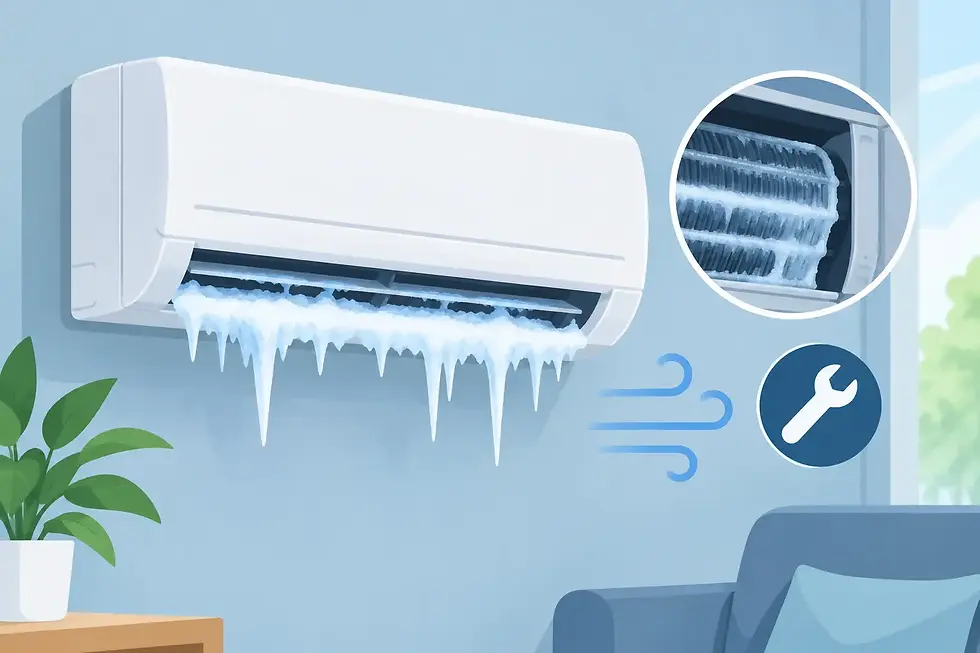
A frozen indoor coil also deserves attention. Turn the cooling system off and set the fan to “on” if your thermostat allows it, which can help thaw the coil. Then arrange service. Continuing to run a frozen system can damage the compressor, and the underlying cause may be restricted airflow, a dirty coil, drainage issues, or a refrigerant problem.
Do not attempt to add refrigerant yourself. Central air is a closed system, so low refrigerant often indicates a leak or another mechanical concern. Adding refrigerant without finding the cause is a short-term patch that can lead to larger costs later.
A Seasonal Routine That Protects Comfort
A simple calendar makes central air maintenance easier to remember. In spring, replace the filter, inspect vents, clear the outdoor unit, test the thermostat, and schedule professional service. During summer, check the filter monthly, keep the condenser area clean, and watch for drainage or performance changes.
In fall, turn off cooling when the season is truly over, remove debris around the outdoor unit, and ask your HVAC provider whether any protective measures are appropriate for your equipment. Avoid fully wrapping a condenser in a way that traps moisture, since trapped moisture can encourage corrosion. During winter, keep exterior equipment accessible and free of heavy debris while your heating system takes over.
Central air maintenance is not about adding another complicated task to your property checklist. It is about noticing the small details that preserve clean airflow, reduce strain, and give you more confidence when the temperature climbs. A little attention before the season starts can help keep your home, building, or business comfortable when cooling cannot wait.


Comments